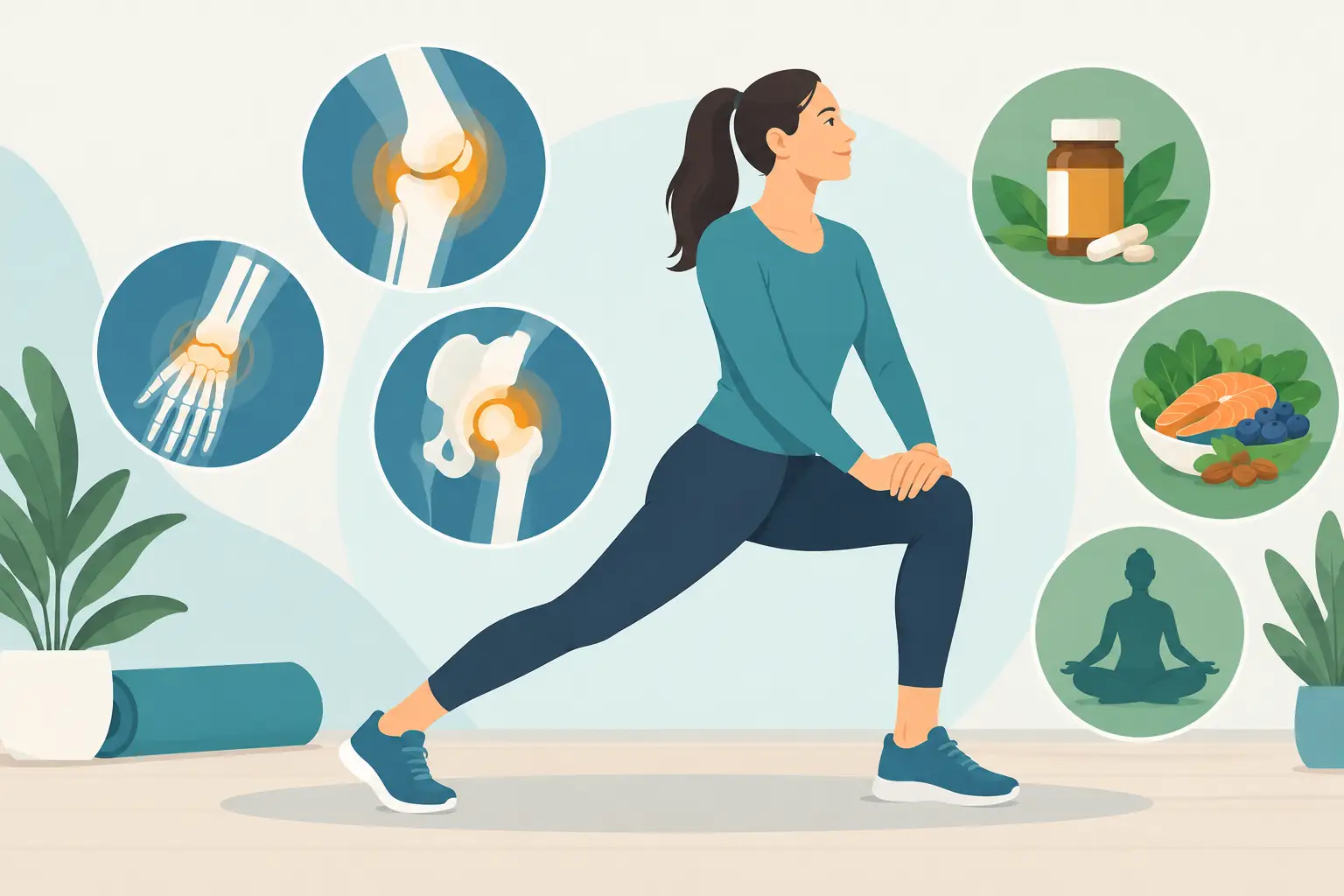
Waking up with a stiff neck, needing a few careful steps after sitting at your desk, or feeling tight when you reach for a grocery bag can make an ordinary day feel more difficult. The right joint stiffness remedies depend on what is causing the problem, how long it has lasted, and which movements are limited. For many people, a combination of gentle movement, supportive daily habits, and hands-on care can help restore more comfortable mobility.
Why Joints Feel Stiff
Stiffness is not always the same as pain. You may be able to move a joint, but it can feel tight, slow, or resistant at the beginning of the day or after a period of rest. This often improves as you get moving, although stiffness that persists or worsens deserves attention.
Common contributors include prolonged sitting, repetitive work tasks, exercise changes, poor sleep positions, previous injuries, and the normal effects of aging. Muscles and connective tissues around a joint can become guarded when they are overworked or when movement has been limited. The joint may also feel stiff because the body is protecting an irritated area.
The location and pattern matter. Morning stiffness in the hands, hips, knees, neck, or low back can have different causes than stiffness that begins after a workout or follows a car accident. A thoughtful approach starts by noticing what brings symptoms on, what makes them better, and whether the stiffness is affecting your ability to work, exercise, sleep, or care for your family.
Joint Stiffness Remedies to Try at Home
Start with gentle, frequent movement
When a joint feels stiff, the instinct to avoid movement is understandable. Complete rest, however, can sometimes make tightness more noticeable. Try brief, comfortable movement breaks throughout the day instead of waiting for one long workout.
For example, a person with desk-related neck and upper-back stiffness may benefit from standing up every 30 to 60 minutes, rolling the shoulders gently, and walking for a few minutes. Someone with knee or hip tightness may feel better after an easy walk on level ground or controlled range-of-motion exercises. The goal is not to push through sharp pain. It is to remind the body that the joint can move safely.
If a movement consistently causes pain, numbness, tingling, or increased stiffness afterward, stop and seek guidance rather than forcing it.
Use heat or cold based on the situation
Heat can be soothing for stiffness that feels muscular, chronic, or worse after inactivity. A warm shower, heating pad, or warm compress may make it easier to move before stretching or taking a walk. Use a protective layer between the heat source and your skin, and avoid falling asleep with a heating pad in place.
Cold is often more useful when a joint is newly irritated, swollen, or sore after an injury or unusual activity. An ice pack wrapped in a towel for short intervals can help reduce discomfort. Some people respond best to heat before activity and cold after activity. There is no single rule that works for everyone, so pay attention to how your body responds.
Support your joints with better daily positioning
Small changes in how you sit, stand, lift, and sleep can reduce repeated strain. Set your workstation so your screen is near eye level, your shoulders are relaxed, and your feet are supported. If you spend time on your phone, bring it closer to eye level instead of repeatedly bending your neck downward.
For lifting, keep an object close to your body and use your hips and legs rather than twisting through your back. During sleep, a pillow that keeps your neck in a neutral position may reduce morning neck stiffness. Side sleepers may also find support between the knees helpful for hip and low-back comfort.
These adjustments are not a quick fix for every condition. They can, however, remove a source of daily irritation while you work on mobility and recovery.
Build strength gradually
Strong muscles help guide and support joint movement. This does not mean you need an intense training plan when you are already uncomfortable. A gradual program of walking, light resistance work, bodyweight exercises, or professionally recommended exercises can improve tolerance for everyday activities.
Progress slowly, especially after an injury or a long break from activity. A mild feeling of effort or temporary muscle soreness can be normal. Sharp joint pain, swelling, or symptoms that linger well beyond activity are signs to scale back and get evaluated. The best program is one you can perform consistently without aggravating symptoms.
Make recovery part of the plan
Stiffness often reflects more than one demanding day. Poor sleep, stress, dehydration, and doing too much too quickly can all make the body feel less resilient. Consistent sleep, regular meals, adequate fluids, and recovery time after strenuous activity support the work you do to improve mobility.
It is also worth being realistic about repetitive demands. A weekend of gardening, a long drive, or returning to exercise after months away may require more gradual pacing than you expect. Breaking tasks into shorter sessions is often more productive than pushing until your body tightens up.
When Hands-On Care May Help
Home strategies are useful, but they are not always enough when stiffness keeps returning or limits your routine. A chiropractor can assess how your joints are moving, identify areas of restricted mobility, and consider the role of surrounding muscles, posture, work habits, and prior injuries.
Chiropractic care may include gentle adjustments or mobilization techniques intended to improve joint motion, along with movement recommendations tailored to your needs. Massage therapy can also help address tight muscles and soft tissues that may be contributing to restricted movement. For some patients, the combination of chiropractic and massage care provides a practical path toward less tension and more comfortable movement.
The right treatment plan is personal. A stiff shoulder after a fall needs a different approach than ongoing low-back tightness from long hours at a computer. At Summit Chiropractic & Massage, care is centered on understanding the source of your discomfort and creating a plan that fits your activity level, goals, and daily life.
Know When Stiffness Needs Medical Attention
Most stiffness from everyday strain improves with appropriate movement and recovery. Still, certain symptoms should not be managed at home alone. Seek prompt medical attention for stiffness or pain after a significant fall or accident, a visibly deformed joint, inability to bear weight, sudden severe swelling, fever, redness or warmth around a joint, or new weakness.
You should also contact a medical provider promptly if neck or back symptoms come with numbness in the groin area, loss of bowel or bladder control, progressive weakness, severe headache, dizziness, or unexplained symptoms. Persistent joint stiffness with swelling, prolonged morning symptoms, unexplained fatigue, or symptoms affecting several joints may need evaluation for an inflammatory or other medical condition.
Chiropractic care is not a substitute for emergency care or medical evaluation when warning signs are present. A responsible care plan begins with recognizing when another type of provider or testing is needed.
A More Comfortable Way Forward
The most effective remedies are usually the ones you can practice consistently: move a little more often, respect pain signals, improve the positions you repeat every day, and seek professional help when stiffness is holding you back. You do not have to accept reduced mobility as the price of work, parenting, exercise, or getting older. With a personalized approach, everyday movement can begin to feel easier again.