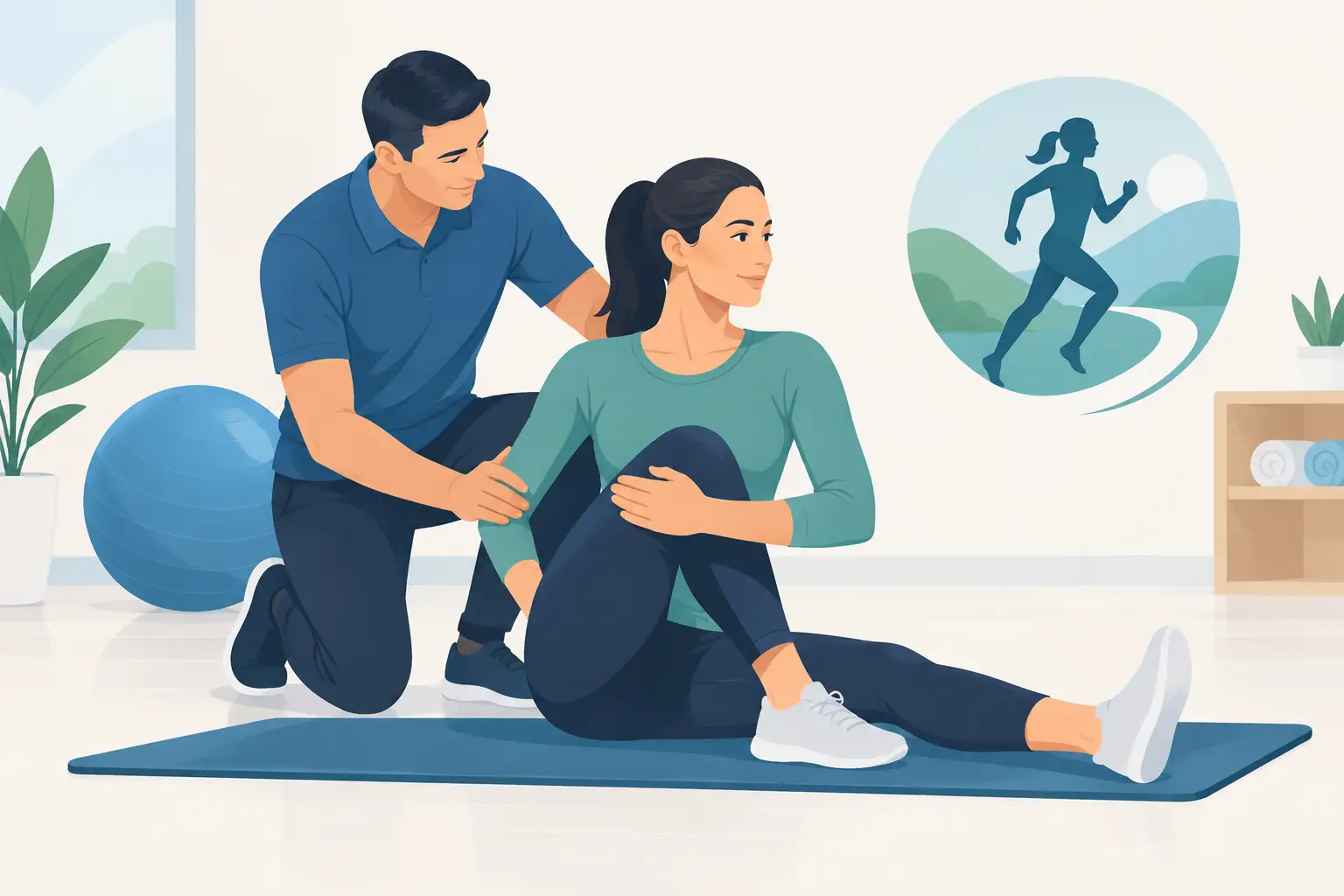
A sore back after lifting a box, a stiff neck after a car accident, or a knee that still does not feel right weeks after a workout can change the way you move through your day. Injury recovery is not only about waiting for pain to fade. It is about helping your body regain comfortable movement, confidence, and the ability to do the things that matter to you.
For many people, the hardest part is knowing what to do after the first few days. Should you rest completely? Push through the stiffness? Try to return to exercise as usual? The best answer depends on the injury, your health history, and how your symptoms are changing. A thoughtful plan can help you avoid both extremes: doing too much too soon and becoming less active than your body needs.
Injury Recovery Starts With the Right Assessment
An injury can affect more than the spot that hurts. When your low back is painful, for example, you may start bending, sitting, or walking differently. Those compensations can create tightness in the hips, strain through the upper back, or discomfort in the neck. The same pattern can happen after a shoulder, ankle, or sports-related injury.
That is why a personalized assessment matters. A chiropractic doctor can evaluate your movement, posture, areas of tenderness, and the way joints and muscles are functioning together. The goal is not simply to identify where pain is strongest. It is to understand what may be limiting your motion and what type of care is appropriate for your stage of recovery.
Some symptoms should be evaluated urgently rather than treated as a routine musculoskeletal injury. Seek prompt medical attention for severe or worsening pain after significant trauma, loss of consciousness, chest pain, trouble breathing, sudden weakness, numbness in the groin area, loss of bladder or bowel control, fever with severe pain, or a limb that looks deformed. These signs may require immediate medical care.
Rest Helps, But Complete Stillness Can Work Against You
In the first phase after an injury, protecting the irritated area is sensible. You may need to modify work tasks, avoid a painful lift, or pause a sport while inflammation and soreness settle. But extended bed rest or complete inactivity can leave muscles weaker and joints stiffer, especially when it is not medically necessary.
The better approach is often relative rest. This means avoiding movements that sharply increase symptoms while maintaining safe, comfortable activity. A short walk, gentle changes of position, or carefully selected mobility work may be more helpful than staying still all day. The right amount of activity varies. A fresh ankle injury may need a different plan than a recurring neck strain from desk work.
Pain is useful information, but it is not always a simple stop-or-go signal. Mild discomfort during recovery can be normal, particularly when a stiff area begins moving again. Sharp pain, pain that escalates during an activity, or symptoms that remain significantly worse afterward are signs to slow down and reassess. A provider can help you find an appropriate level of activity without asking you to guess.
How Chiropractic Care Can Support Recovery
Chiropractic care focuses on the relationship between the spine, joints, muscles, and nervous system. Following an injury, restricted joint movement and protective muscle tension can make everyday tasks feel harder than they should. Care may include gentle chiropractic adjustments or mobilization techniques intended to improve joint motion and reduce mechanical strain.
Treatment should be tailored to the person in front of the doctor. Someone recovering from a recent car accident may need a different approach from a runner with a gradual overuse injury or a parent with back pain after repetitive lifting. Your age, activity level, medical history, imaging or medical findings, and current symptoms all matter.
At Summit Chiropractic & Massage, care is built around individualized treatment rather than a one-size-fits-all plan. Chiropractic treatment may be used alongside guidance on posture, movement, and practical ways to reduce strain at home or work. The goal is to support better function, not simply get you through one good day.
Massage Can Address Protective Muscle Tension
After an injury, muscles often tighten to protect a painful area. That response can be useful at first, but lingering tension may limit movement and contribute to headaches, neck stiffness, back discomfort, or soreness in nearby areas.
Therapeutic massage can help ease muscle tension and support circulation in soft tissues. It may also make it more comfortable to begin the movement work that recovery requires. Massage is not a replacement for a full evaluation when pain is new, severe, or unexplained, but it can be a valuable part of a coordinated plan for many musculoskeletal concerns.
Build Back Movement Gradually
Returning to normal activity is rarely an all-or-nothing decision. Instead of jumping from rest to a full workout, think in stages. First, aim for basic daily movement with less discomfort: getting out of a chair, turning your head while driving, walking the dog, or carrying groceries. From there, you can rebuild strength, balance, endurance, and activity-specific skills.
The pace should reflect your goals. If you need to stand comfortably through a work shift, your plan may center on posture breaks, hip and back mobility, and improved tolerance for standing. If you want to get back to tennis, hiking, or weight training, you may need a more structured progression that prepares the body for those demands.
Consistency is usually more valuable than intensity. A few minutes of prescribed movement completed regularly can create more lasting progress than an occasional ambitious session followed by a pain flare-up. Recovery also is rarely perfectly linear. You may have better days and more difficult days, particularly after poor sleep, a long drive, a demanding workday, or an increase in activity. A temporary setback does not automatically mean you have caused new damage, but it is a reason to adjust the plan and pay attention to what your body is telling you.
Everyday Habits Matter During Injury Recovery
Care in the clinic is only one part of healing. The positions and routines you repeat between visits can either support progress or keep an irritated area under unnecessary stress.
Pay attention to your workstation, especially if neck or back pain increases after computer time. Your screen, chair, keyboard, and breaks all influence how long you can work comfortably. If you spend hours on your feet, supportive footwear and brief movement breaks may help reduce accumulated strain. If lifting is part of your job or home life, learning to keep loads close to your body and avoiding repeated twisting can make a meaningful difference.
Sleep also deserves attention. Pain can disrupt sleep, and poor sleep can make pain feel more intense the next day. Small adjustments, such as changing your pillow position, using support between your knees when side sleeping, or avoiding a position that consistently aggravates symptoms, may improve comfort. Nutrition, hydration, and stress management are not quick fixes, but they support the body’s overall ability to recover and stay active.
When to Ask for Help With Injury Recovery
It is reasonable to seek care when pain is interfering with work, sleep, exercise, parenting, or normal movement. You do not need to wait until discomfort becomes severe. Early guidance may be particularly useful after a car accident, fall, sports injury, repetitive strain, or a flare-up that is not improving as expected.
A good recovery plan should leave you with clear next steps. You should understand what movements to modify, what you can safely continue, and how care is intended to support your goals. Ask questions if you are unsure about an exercise, a treatment recommendation, or the timeline for returning to an activity.
Your body may need time, but recovery does not have to mean putting your life on hold. With appropriate care, gradual movement, and attention to the habits that affect your comfort, you can take practical steps toward moving with greater ease again.