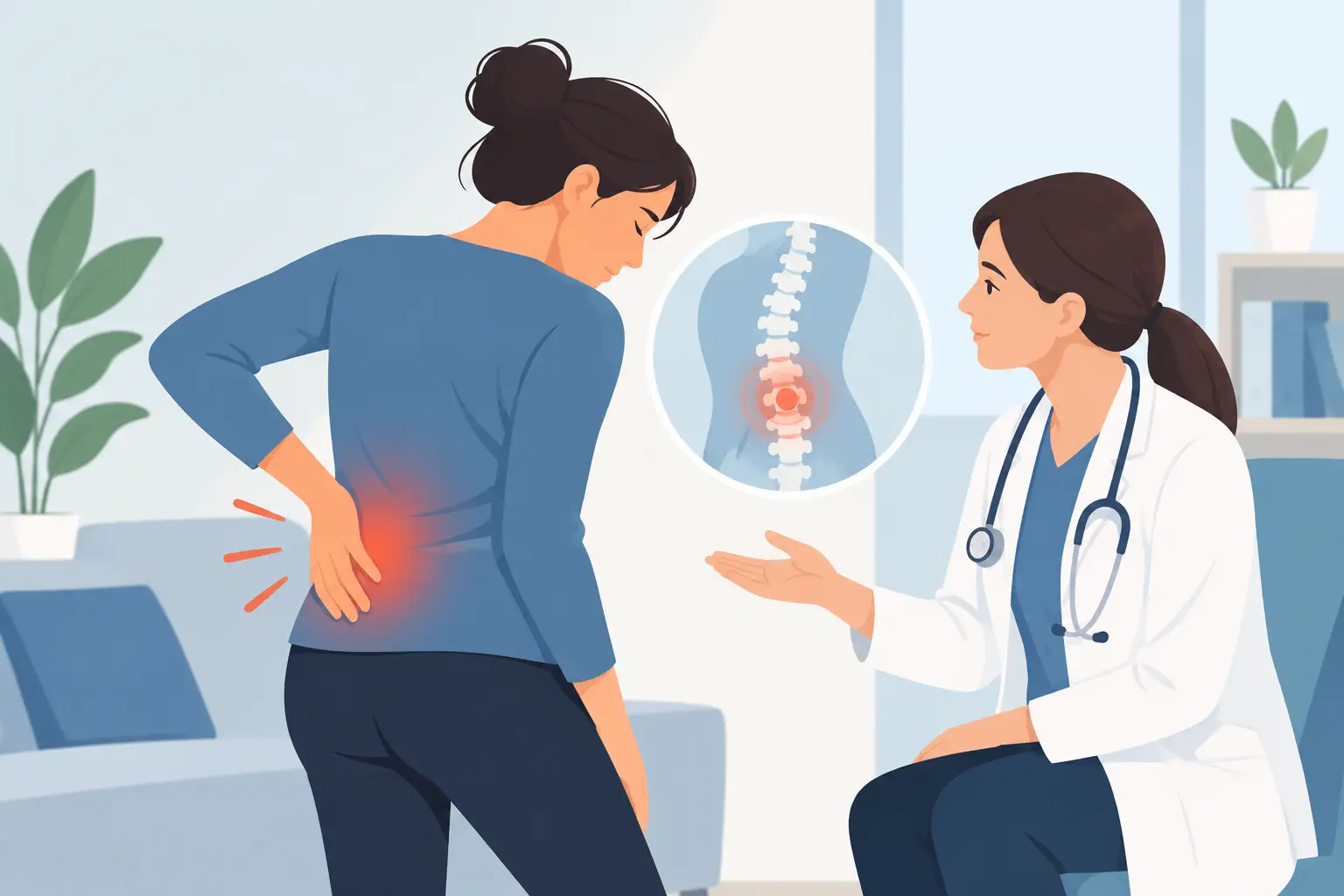
A sore lower back after lifting boxes, sitting through a long workday, or finishing a weekend project can be frustrating, but it is often not dangerous. Still, many people reasonably ask, is low back pain serious when it lingers, limits movement, or starts affecting sleep, work, and family life. The answer depends on what else is happening in your body, how the pain began, and whether it is improving.
Most low back pain is related to muscles, joints, discs, posture, or everyday physical strain. It can be quite painful without signaling a medical emergency. However, a smaller number of cases need prompt medical attention. Knowing the difference can help you make a calm, informed decision about your next step.
Is Low Back Pain Serious? Start With the Pattern
Low back pain is common because the lower back carries a great deal of the body’s weight while helping you bend, twist, walk, lift, and sit. A strained muscle, irritated joint, or repetitive movement pattern can make ordinary activities feel difficult.
Pain that begins after an unfamiliar activity, prolonged sitting, gardening, exercise, or lifting is often mechanical in nature. It may feel achy, tight, sharp with certain movements, or worse at the end of the day. Stiffness after rest can also occur. In many cases, this type of pain improves gradually with appropriate care, gentle movement, and time.
The fact that pain is intense does not automatically mean it is serious. A muscle spasm, for example, can be severe enough to make standing upright difficult. What matters is the full picture: the cause, the location of symptoms, changes in strength or sensation, and whether the condition is getting better or worse.
Symptoms That Need Urgent Medical Attention
Some low back symptoms should not wait for a routine appointment. Seek emergency medical care right away if back pain occurs with new loss of bladder or bowel control, numbness in the groin or inner thighs, or significant weakness in one or both legs. These may be signs of a serious nerve problem that needs immediate evaluation.
You should also seek prompt medical care for back pain after a major fall, vehicle collision, or other significant trauma. This is especially important for older adults and people with osteoporosis, since a fracture may occur even after a lower-impact incident.
Other reasons to contact a medical provider promptly include fever, chills, unexplained weight loss, pain accompanied by a history of cancer, or pain that is constant and not affected by movement or position. Severe abdominal pain, pulsating abdominal sensations, or back pain with chest pain, shortness of breath, sweating, or nausea also requires urgent assessment.
These signs are not meant to cause alarm. They are simply reasons to make sure a potentially serious condition is ruled out before conservative musculoskeletal care begins.
When Low Back Pain Should Be Evaluated Soon
Even without emergency warning signs, ongoing back pain deserves attention when it interferes with normal life. Consider scheduling an evaluation if pain has not begun improving after a week or two, repeatedly returns, travels down the leg, or makes it harder to sleep, walk, sit, work, or exercise.
Pain that shoots from the low back into the buttock or leg can involve irritation of a nerve. Some people describe burning, tingling, numbness, or an electric sensation. This does not always mean there is permanent damage, but it does mean an examination is useful. A clinician can assess your movement, strength, reflexes, and areas of tenderness to better understand what may be contributing to your symptoms.
Age, health history, and how the pain started also matter. New back pain in someone with a history of cancer, chronic steroid use, osteoporosis, inflammatory arthritis, or a weakened immune system should be evaluated carefully. The same is true when pain begins suddenly without a clear reason and continues to worsen.
Common Causes of Low Back Pain
For many adults, low back pain develops from a combination of physical stress and daily habits rather than one dramatic event. Sitting for long periods, repetitive lifting, poor lifting mechanics, reduced core and hip strength, long commutes, and limited recovery after activity can all place added strain on the lower back.
Sometimes the trigger is obvious, such as lifting a heavy object while twisting. Other times, symptoms appear after several weeks of accumulated stress. A back that already feels tight can become more sensitive after a simple movement like reaching into the back seat, unloading groceries, or getting out of bed.
Conditions such as joint irritation, disc-related pain, muscle strain, and arthritis can produce overlapping symptoms. That is why self-diagnosing based on one sensation or an online description can be misleading. A personalized evaluation is more useful than assuming every episode of back pain has the same cause.
What to Do During the First Few Days
If there are no red flags, complete bed rest is usually not the best answer. Resting briefly may be appropriate when pain is acute, but too much inactivity can contribute to stiffness and loss of confidence with movement. Gentle, comfortable movement often helps the body settle more effectively.
Avoid activities that sharply increase pain, particularly heavy lifting, repeated bending, or twisting under load. At the same time, try not to stop all movement. Short walks, changing positions regularly, and easy daily activities within your comfort level can help prevent the back from becoming more guarded.
Heat or ice may provide temporary relief, depending on what feels better for you. Some people find heat helpful for muscle tightness, while others prefer ice after a recent strain or flare-up. Over-the-counter medications may also be an option for some adults, but it is wise to check with a pharmacist or healthcare provider if you have medical conditions, take prescription medications, are pregnant, or are unsure what is safe for you.
Pay attention to the trend, not just one difficult day. A mild flare can still take time to calm down. But if symptoms are escalating, new numbness or weakness appears, or you cannot function normally, seek professional guidance.
How Conservative Care Can Help
For mechanical low back pain, conservative care can focus on relieving discomfort while improving the way your back moves and handles daily demands. A thorough evaluation should consider more than the spot that hurts. Hip mobility, posture, work setup, lifting habits, old injuries, activity level, and muscle tension can all influence the lower back.
Chiropractic care may help address restricted movement and joint dysfunction through hands-on treatment tailored to the individual. Massage therapy can support relaxation of tight muscles and improve comfort for people dealing with stress-related tension, overuse, or limited mobility. Neither approach is a substitute for emergency or medical care when red flags are present, but both may be part of a non-surgical plan for appropriate musculoskeletal conditions.
At Summit Chiropractic & Massage, care is designed around each patient’s symptoms, movement goals, and daily routine. For one person, that may mean getting through a workday without repeated discomfort. For another, it may mean returning to walks, workouts, yardwork, or comfortably picking up a child.
Preventing the Next Flare-Up
A painful episode can be a useful signal to look at the demands your body is carrying. Prevention is rarely about finding one perfect posture or avoiding all bending. It is more often about building variety, strength, mobility, and better recovery into everyday life.
If you sit for work, changing position and taking brief movement breaks can be more helpful than trying to sit perfectly for eight hours. If you lift at home or on the job, keeping objects close to your body and avoiding a loaded twist can reduce strain. Gradually building strength through tolerable activity can also make everyday movements feel less threatening.
The right plan is not identical for everyone. A runner with recurring pain after training, a parent who strains their back lifting children, and an office worker who feels stiff every afternoon may need different adjustments. The goal is not simply to quiet pain for a day. It is to help you move with greater comfort and confidence in the activities that matter to you.
Low back pain is often manageable, but you do not need to guess your way through symptoms that persist or limit your life. If something feels different, is worsening, or is keeping you from doing what you need to do, getting an appropriate evaluation can provide both reassurance and a practical path forward.