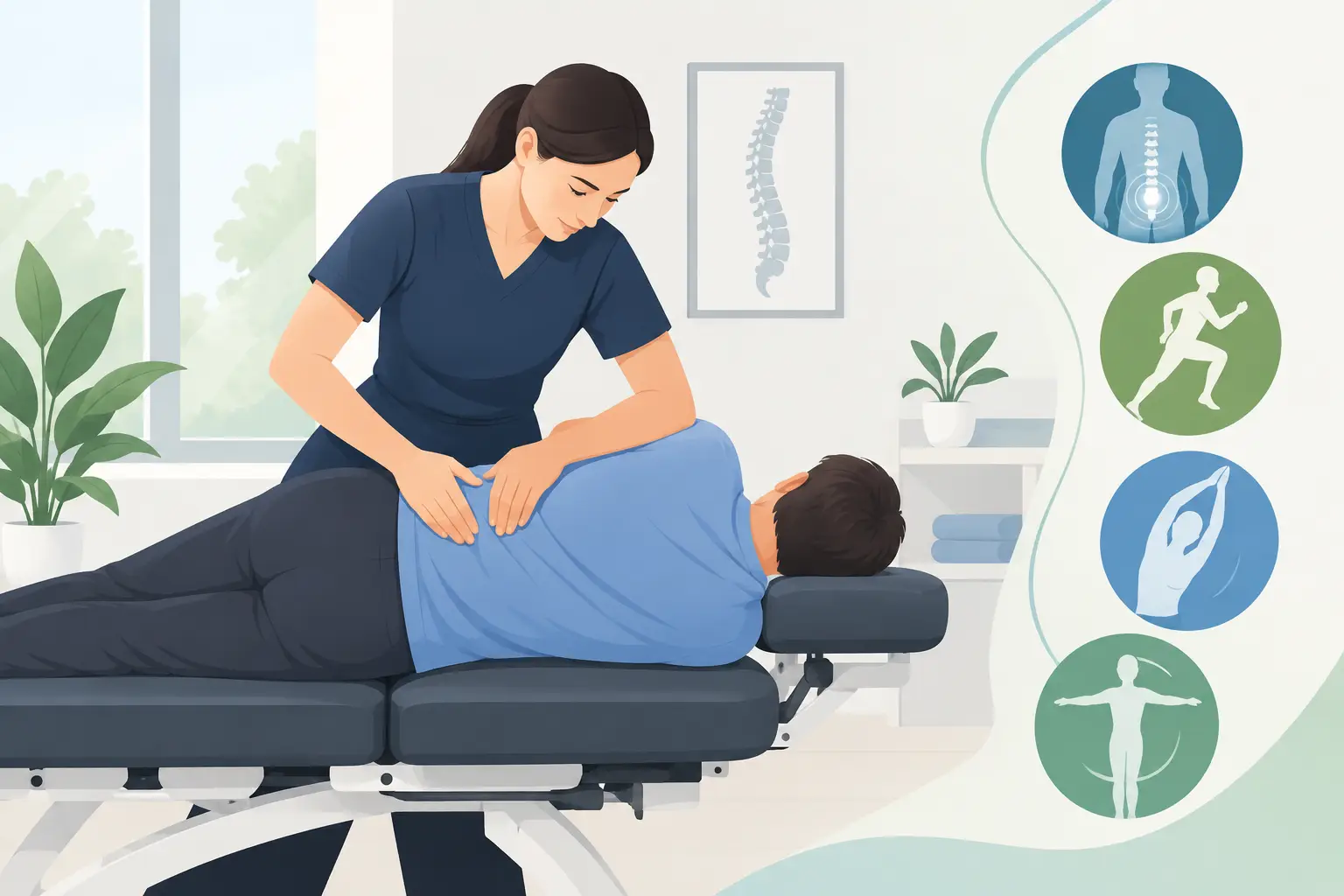
A stiff neck can make checking a blind spot difficult. Low back pain can turn loading the dishwasher, lifting a child, or sitting through a workday into a frustrating task. Chiropractic benefits are most meaningful when they help people return to these ordinary movements with less discomfort, more confidence, and a clearer plan for staying active.
Chiropractic care is a hands-on, non-surgical approach to musculoskeletal concerns, particularly those involving the spine, joints, muscles, and movement patterns. It is not a one-size-fits-all answer to every type of pain. For the right condition and the right patient, however, it can be a practical part of a care plan focused on pain relief, mobility, and daily quality of life.
Chiropractic Benefits for Back and Neck Pain
Back and neck pain are among the most common reasons people seek chiropractic care. Sometimes the cause is obvious, such as a car accident, a sports injury, or lifting something awkwardly. Other times, discomfort builds slowly from long hours at a desk, repetitive work, reduced activity, poor sleep positions, or the physical demands of parenting.
A chiropractor evaluates how you move, where you feel pain, and what may be contributing to the problem. Treatment may include chiropractic adjustments or joint mobilization to address restricted movement, along with guidance about posture, activity modification, stretching, or strengthening. The goal is not simply to chase a painful spot. It is to help the body move more comfortably and reduce the strain that may be keeping symptoms going.
For many people with uncomplicated low back pain, neck pain, or stiffness, hands-on care can provide relief and help restore function. Results vary. A recent flare-up may respond differently than pain that has been present for years, and a person with a physically demanding job may need a different plan than someone who spends most of the day seated.
Better Mobility Supports Everyday Life
Pain and limited movement often feed into each other. When a joint feels tight or painful, it is natural to avoid turning, bending, reaching, or walking as much as usual. Over time, that guarded movement can leave surrounding muscles feeling even more stiff or weak.
One of the potential benefits of chiropractic care is improved joint motion. When movement becomes easier, people may find it more comfortable to get in and out of the car, look over their shoulder, take a walk, return to exercise, or keep up with responsibilities at home. Improved mobility is not just about flexibility. It is about having the range of motion needed for the life you want to live.
Care is often most helpful when it is paired with active participation. Your chiropractor may recommend simple movements or home strategies that fit your condition and schedule. Small, consistent changes can support the progress made during an appointment and help you feel more in control between visits.
Relief for Headaches Connected to Neck Tension
Some headaches are associated with neck tension, restricted neck motion, or irritation in the joints and muscles around the upper back and neck. These are often called cervicogenic headaches. Chiropractic care may help some patients by addressing those musculoskeletal contributors and improving how the neck moves.
That said, headaches have many possible causes. A new, severe, sudden, or unusual headache needs prompt medical attention, especially if it occurs with fever, fainting, confusion, vision changes, weakness, numbness, or difficulty speaking. A careful evaluation helps determine whether chiropractic care is appropriate and when another type of care is needed first.
Chiropractic Care After Injuries and Daily Strain
Injuries do not always announce themselves immediately. After a fall, collision, workout, or weekend project, soreness and reduced movement may develop over the next day or two. Chiropractic care can be part of a conservative recovery plan for certain musculoskeletal injuries, particularly when stiffness, muscle tension, and altered movement are affecting daily function.
The first step is understanding what happened. A chiropractor will ask about the injury, symptoms, medical history, and activities that make pain better or worse. This information, along with a physical examination, helps shape recommendations that are appropriate for your body and stage of recovery.
Not every injury should be adjusted, and some situations require imaging, medical evaluation, or referral to another provider. That is a strength of individualized care, not a limitation. The safest plan is one that responds to the actual condition rather than assuming every ache needs the same treatment.
Massage Can Complement Chiropractic Treatment
Muscle tension can make joint discomfort feel more persistent, especially after repetitive work, stress, exercise, or an injury. Massage therapy may complement chiropractic care by helping relax tight muscles, improve circulation to soft tissues, and make movement feel less restricted.
For some patients, a combination of chiropractic treatment and massage offers a comfortable way to address both joint restriction and muscle tension. Others may benefit more from one service than the other. The right balance depends on your symptoms, health history, goals, and response to care.
At Summit Chiropractic & Massage, treatment plans are built around the person in front of us. That may mean focused care for a recent episode of pain, support while recovering from an injury, or a plan to manage recurring stiffness that interferes with work, exercise, or family life.
What a Personalized Treatment Plan Can Include
A useful chiropractic plan begins with a conversation, not an assumption. Your provider should understand where it hurts, how long it has been happening, what activities are limited, and what you hope to get back to doing. A runner may be focused on training comfortably. A parent may need to lift and carry without fear of triggering back pain. An older adult may want to move with more ease and confidence.
Depending on the evaluation, care may include manual adjustments, mobilization techniques, soft-tissue work, massage, therapeutic movement recommendations, and practical advice for daily activities. The number and frequency of visits should reflect your condition and progress. Some concerns respond well to a short course of care, while chronic or recurring issues may call for a longer-term strategy that includes home care and periodic reassessment.
Good care also includes clear communication. You should understand what is being recommended, why it may help, what you can do at home, and when to contact another healthcare provider. Ask questions about expected progress and let your chiropractor know if symptoms change.
When Chiropractic Care May Not Be the Right First Step
Chiropractic care is generally considered a conservative option for many musculoskeletal concerns, but it is not appropriate for every situation. Seek urgent medical help for symptoms such as chest pain, sudden weakness, loss of bowel or bladder control, severe trauma, unexplained weight loss, fever with significant back pain, or numbness that is rapidly worsening.
It is also wise to share your full health history, including osteoporosis, blood-thinning medications, inflammatory conditions, prior surgery, pregnancy, and any recent changes in health. This allows your provider to choose techniques carefully, modify treatment when needed, or coordinate with other members of your healthcare team.
The value of chiropractic care is not measured only by whether pain disappears after one visit. Meaningful progress can look like sleeping more comfortably, standing longer at work, turning your head without hesitation, or returning to a favorite activity with fewer limitations. When care is thoughtful, individualized, and supported by healthy movement habits, those everyday gains can add up to a more comfortable life.
If pain, stiffness, or restricted movement has been keeping you from doing what matters to you, a professional evaluation can help clarify your next step. The goal is simple: help you move forward with a plan that fits your body and your life.