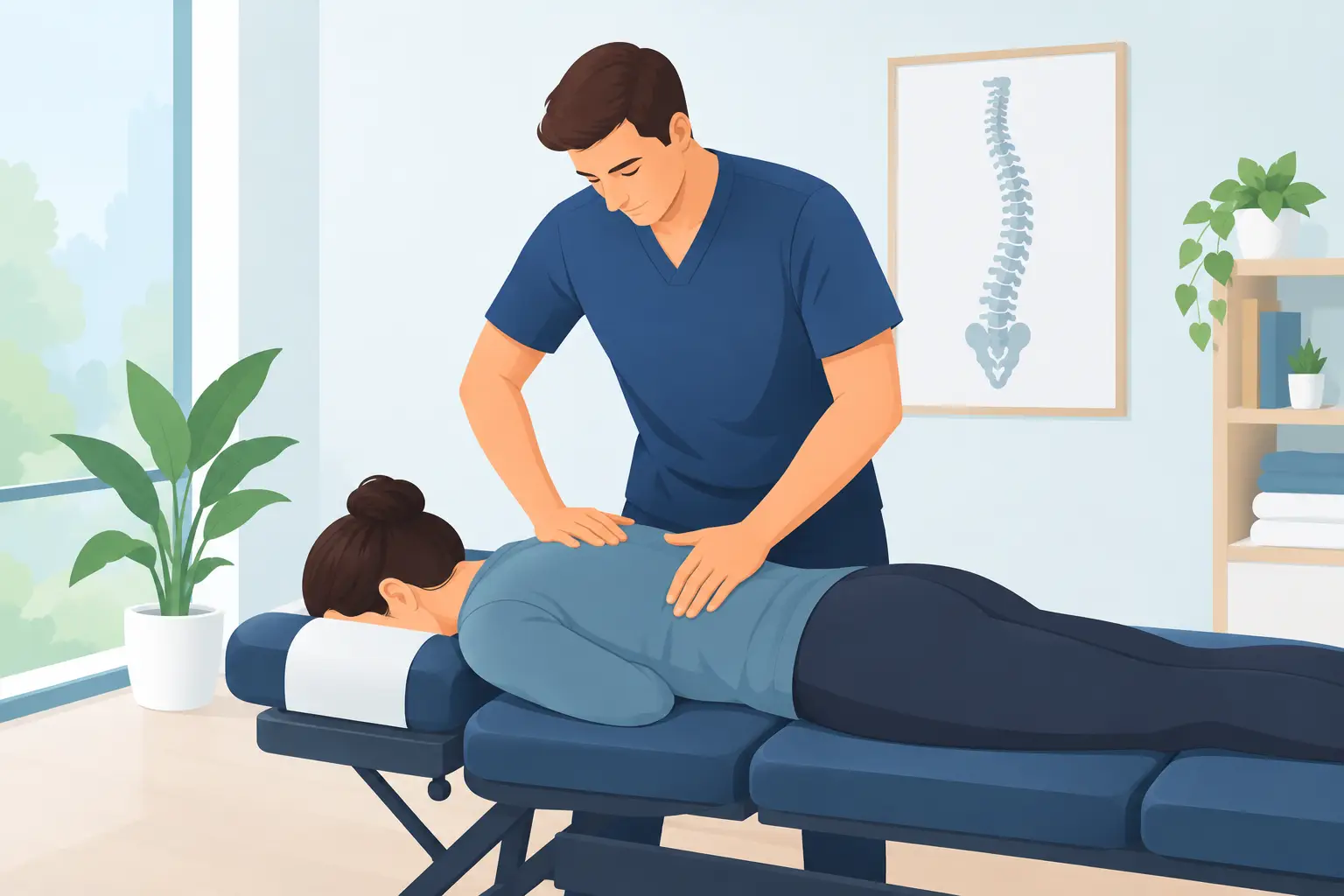
Stiffness that lingers for weeks or months can quietly change how you move through the day. You may turn your whole body instead of your neck when backing out of the driveway, avoid a favorite walk, or feel tight after sitting through a work meeting. Chiropractic treatment for chronic stiffness can help identify movement restrictions and physical strain that may be contributing to that ongoing discomfort, then create a practical plan to support better mobility.
Chronic stiffness is not always severe pain. For many people, it begins as a dull tightness in the low back, shoulders, hips, or neck that never quite goes away. Over time, compensation patterns can make ordinary activities – lifting groceries, working at a computer, playing with children, or exercising – feel harder than they should.
Why stiffness can become a lasting problem
Stiffness often develops after the body has spent too long in one position or repeatedly doing the same movement. Desk work, long commutes, physically demanding jobs, stress, old injuries, and inconsistent activity can all play a role. A person may also become less active because movement feels uncomfortable, which can further reduce joint mobility and muscle flexibility.
An injury does not need to be recent to affect how you feel today. A past car accident, sports injury, fall, or lifting incident can leave behind restricted movement or protective muscle tension. Even after the original pain improves, the body may continue to move differently to avoid irritation.
There is not one cause behind every case of stiffness. That is why a quick, identical approach does not make sense for everyone. The location of the tightness, what makes it worse or better, your daily routine, health history, and goals all matter when determining the right next step.
How chiropractic treatment for chronic stiffness may help
Chiropractic care focuses on the relationship between movement, joints, muscles, and the nervous system. During an evaluation, a chiropractor looks beyond the spot that feels tight. For example, recurring neck stiffness may be influenced by shoulder tension, posture during computer work, limited upper-back movement, or a past injury. Hip tightness may be connected to the low back, gait changes, or the physical demands of work and exercise.
When appropriate, chiropractic adjustments may be used to address areas of restricted joint motion. These controlled, hands-on techniques are intended to support normal movement and reduce the mechanical strain that can contribute to stiffness. Many patients describe feeling freer movement after care, although results and the number of visits needed vary from person to person.
Treatment may also include soft-tissue work, guided stretching, movement recommendations, and practical changes to support progress between appointments. At Summit Chiropractic & Massage, chiropractic care can be complemented by massage-centered therapeutic support when muscle tension is part of the picture. This combination can be especially useful when tight muscles and restricted joints are reinforcing one another.
The goal is not simply to make you feel looser for a few hours. A personalized plan should help you understand what may be driving the stiffness and give you realistic ways to move more comfortably in daily life.
What to expect at your first visit
For a first-time chiropractic patient, the process should feel straightforward. Your visit typically begins with a conversation about where you feel stiffness, how long it has been present, whether it followed an injury, and how it affects your routine. Be ready to share details about activities that trigger symptoms, previous treatment, medications, surgeries, and other health concerns.
The chiropractor will then perform an exam that may include posture observation, range-of-motion testing, and assessment of the areas involved. Depending on your history and symptoms, additional testing or imaging may be considered, or you may be referred to another healthcare provider when chiropractic care is not the appropriate first option.
If care is recommended, your doctor should explain the proposed treatment in clear terms. You can ask what techniques are being used, what you may feel afterward, how often visits may be helpful, and what you can do at home. A good care plan respects both your symptoms and your schedule, whether your goal is returning to the gym, getting through a workday with less discomfort, or moving more easily while caring for your family.
Chiropractic care works best with everyday movement
Hands-on care can be valuable, but lasting change usually also involves what happens between visits. The right home recommendations are not meant to turn your life into a long rehabilitation program. They should be manageable and relevant to the movements that matter most to you.
For someone who sits for long periods, brief movement breaks and a better workstation setup may make a meaningful difference. For an active adult, the focus may be on warming up well, gradually increasing training demands, and addressing movement patterns that repeatedly create tightness. For an older adult, the plan may emphasize comfortable range-of-motion work, balance, and staying active without pushing through sharp pain.
Consistency matters more than intensity. A few minutes of gentle, regular movement is often more useful than an occasional aggressive stretch session that leaves you sore. Your chiropractor can help distinguish between normal muscle effort and symptoms that suggest you should stop or modify an activity.
Sleep, stress, and recovery habits can matter as well. People often hold tension in their shoulders, jaw, and upper back during demanding periods. That does not mean stiffness is “all in your head.” It means the body responds to physical and emotional stress together, and a care plan may need to account for both.
When stiffness needs medical attention first
Most stiffness related to daily strain or musculoskeletal irritation can be assessed in a chiropractic setting. However, some symptoms require prompt medical evaluation. Seek urgent care for stiffness accompanied by severe or worsening weakness, numbness in the groin area, loss of bladder or bowel control, unexplained fever, significant unexplained weight loss, chest pain, or symptoms after a serious accident.
It is also wise to speak with a medical provider when stiffness comes with persistent joint swelling, unexplained fatigue, or pain that regularly wakes you from sleep. Conditions such as inflammatory arthritis, infection, fracture, or certain neurological concerns require a different type of evaluation and treatment.
Being clear about these distinctions is part of patient-centered care. Non-surgical, hands-on treatment can be a helpful option for many people, but it should always be guided by a thorough history, exam, and clinical judgment.
Building a plan around your goals
The best measure of progress is often not just a number on a pain scale. It may be being able to check your blind spot without hesitation, finish a shift without constant stretching, take a longer walk, or return to gardening with more confidence. These functional improvements provide useful direction for a care plan.
Chronic stiffness can take time to improve, particularly when it has built up over years or is connected to old injuries and demanding routines. Some people notice changes quickly, while others need a more gradual course of care. Open communication helps your chiropractor adjust the plan based on how your body responds.
If stiffness is limiting the way you work, rest, exercise, or enjoy time with family, you do not have to accept it as an unavoidable part of getting older or staying busy. A thoughtful evaluation can help clarify your options and support the small, steady improvements that make everyday movement feel like your own again.