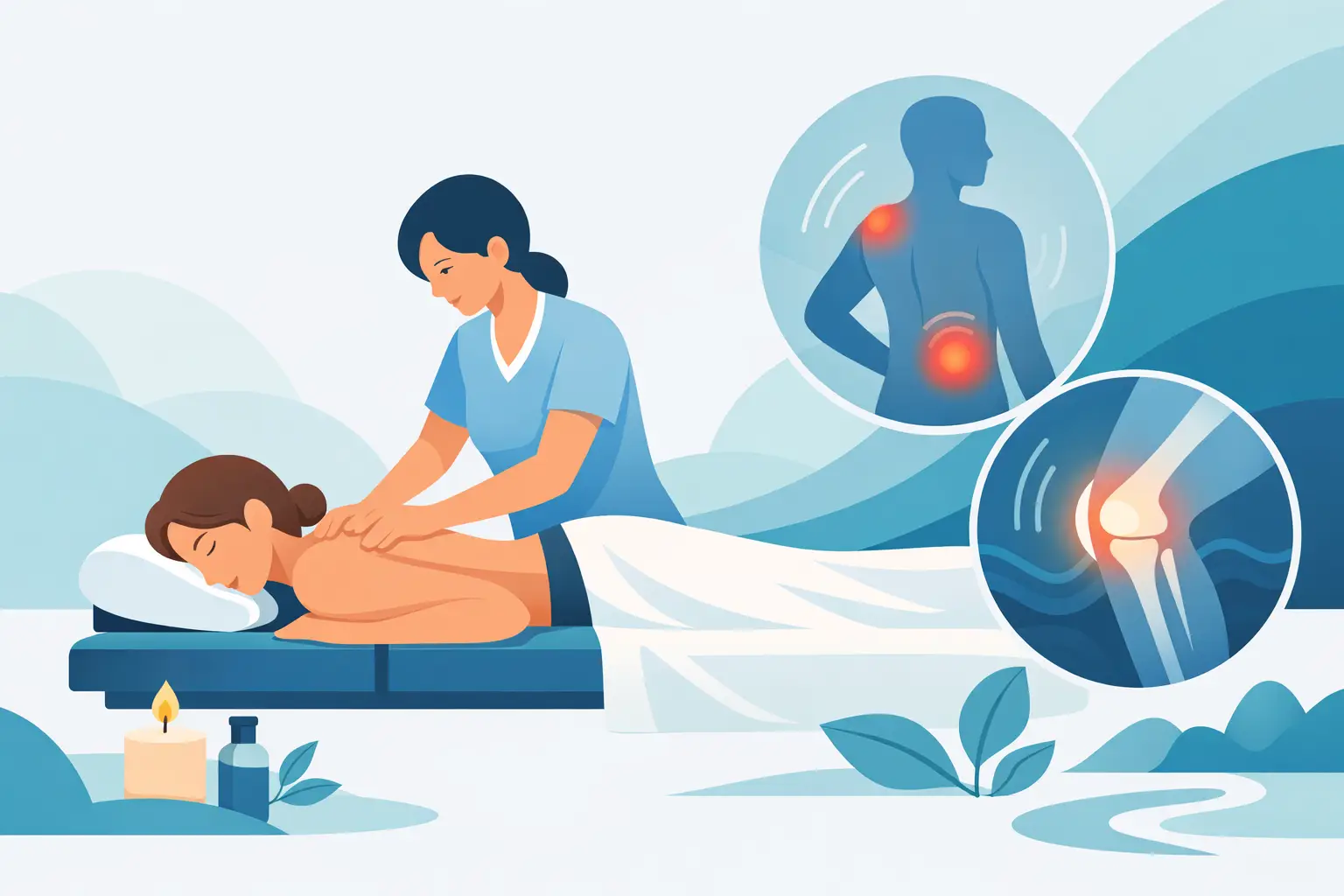
A stiff neck after a long workday, low back pain that makes it harder to pick up a child, or sore muscles that linger well beyond a workout can change how you move through the day. Massage therapy offers a hands-on, non-invasive way to address muscle tension, reduce discomfort, and support better movement when your body feels restricted.
At Summit Chiropractic & Massage, massage is not treated as a one-size-fits-all appointment. Your care should reflect what is bothering you, how long it has been present, your activity level, and what you need to get back to doing comfortably.
What Massage Therapy Can Help Address
Therapeutic massage focuses on the muscles and soft tissues that help your body move. When those tissues become tight, irritated, or overworked, they can contribute to aching, stiffness, limited range of motion, and compensating movement patterns that place stress on other areas.
Many people seek massage care for back pain, neck and shoulder tension, headaches connected to muscle tightness, and stiffness that develops from desk work, driving, lifting, or repetitive movement. It can also be a helpful part of recovery after an injury, once it is appropriate for your condition, or after physical activity leaves muscles sore and less responsive.
The goal is not simply to feel relaxed for an hour. While relaxation is a welcome benefit, therapeutic massage is often centered on practical outcomes: moving with less discomfort, turning your head more freely, returning to exercise gradually, or getting through a workday with fewer interruptions from pain.
Massage is not the right solution for every source of pain. Sudden severe pain, significant swelling, numbness, weakness, fever, or symptoms following a serious accident should be evaluated promptly. A thoughtful provider will consider your health history and current symptoms before recommending care.
How Massage Supports Movement and Recovery
Muscles can tighten as a protective response after strain, overuse, poor posture, or injury. That tension may limit movement and make ordinary activities feel more demanding. Gentle to focused manual work can help calm tight tissues and improve circulation in the treated area, which may make movement feel easier.
For some patients, the benefit is immediate but temporary at first. Others notice gradual improvement over several visits as the body responds to consistent care and healthier movement habits. The timeline depends on the cause of your symptoms, how long they have been present, your daily demands, and whether there is an underlying joint or nerve issue contributing to the problem.
That is why massage often works best as part of a broader plan. A person with chronic neck tension may benefit from massage along with changes to workstation setup, stretching, strengthening, or chiropractic care when appropriate. Someone recovering from a physically demanding weekend may need a different approach than a person whose back pain began after a car accident.
What Happens During a Massage Appointment
A good massage appointment begins with a conversation. You should have an opportunity to explain where you feel discomfort, what makes it better or worse, how it affects daily life, and any recent injuries or medical concerns. This information helps guide the session and determines whether massage is an appropriate part of your care.
Your provider may ask about your work, exercise routine, sleep, previous treatment, and health history. These details matter. Shoulder pain in a recreational tennis player may call for a different focus than shoulder tightness in someone who spends hours each day at a computer.
During treatment, pressure should be adjusted to your comfort and goals. Therapeutic massage does not need to be painfully intense to be productive. Some areas may be tender, especially when muscles are very tight, but you should be able to communicate openly if the pressure feels too strong or if something does not feel right.
Afterward, you may feel looser, calmer, or more aware of areas that have been holding tension. Mild soreness can occur after more focused work, particularly if you have not had massage recently or your muscles were already irritated. Drinking water, moving gently, and following any individualized guidance can help you gauge how your body responds.
Choosing the Right Type and Frequency of Care
There is no universal schedule for massage therapy. A single appointment may be useful for short-term muscular tension, but persistent pain or restricted movement often benefits from a plan that is adjusted over time.
Frequency depends on your condition and your goals. If you are dealing with acute tightness after travel or a demanding project at work, occasional care may be enough. If discomfort has been building for months, a series of visits may provide more meaningful progress. As symptoms improve, many patients choose less frequent care to help manage recurring tension and support an active lifestyle.
It is also worth being clear about what massage can and cannot do. Massage can help address soft-tissue tension and support recovery, but it cannot replace medical evaluation when symptoms suggest a more serious condition. If pain is worsening, spreading, or affecting balance, strength, bowel or bladder function, or sensation, seek appropriate medical attention rather than trying to work through it.
When Massage and Chiropractic Care May Work Together
Muscles and joints do not work in isolation. A restricted joint can cause surrounding muscles to work harder, while tight muscles can change how a joint moves. For some patients, combining massage with chiropractic care can address both muscle tension and movement restrictions in a coordinated, natural treatment plan.
This approach may be especially helpful for people with recurring back or neck discomfort, headaches related to muscle tension, reduced mobility, or strain from work and exercise. Care should be based on a proper assessment, not a preset package. The right plan may include massage, chiropractic treatment, home exercises, movement guidance, or a referral when another type of care is needed.
At Summit Chiropractic & Massage in West Linn, patients receive individualized support designed around pain relief, mobility, injury recovery, and long-term physical well-being. Whether you are new to hands-on care or have used massage before, the focus is on understanding what is limiting you and building a plan that fits your life.
Getting More From Your Massage Care
Massage is most effective when it is connected to the way you live between visits. Notice which activities bring symptoms on, whether that is sitting, lifting, running, gardening, or sleeping in an awkward position. Small adjustments can help prevent the same stress from repeatedly overwhelming the muscles that were just treated.
Be honest about your goals as well. Perhaps you want to get through a shift without low back pain, return to the gym without shoulder tightness, or simply turn your head comfortably while driving. Clear goals give your provider a better way to tailor care and help you recognize progress beyond a temporary feeling of relief.
You do not have to wait until discomfort becomes overwhelming to seek support. When tension, stiffness, or pain starts taking time away from work, family, sleep, or the activities you enjoy, a personalized massage appointment can be a practical first step toward moving more comfortably again.